
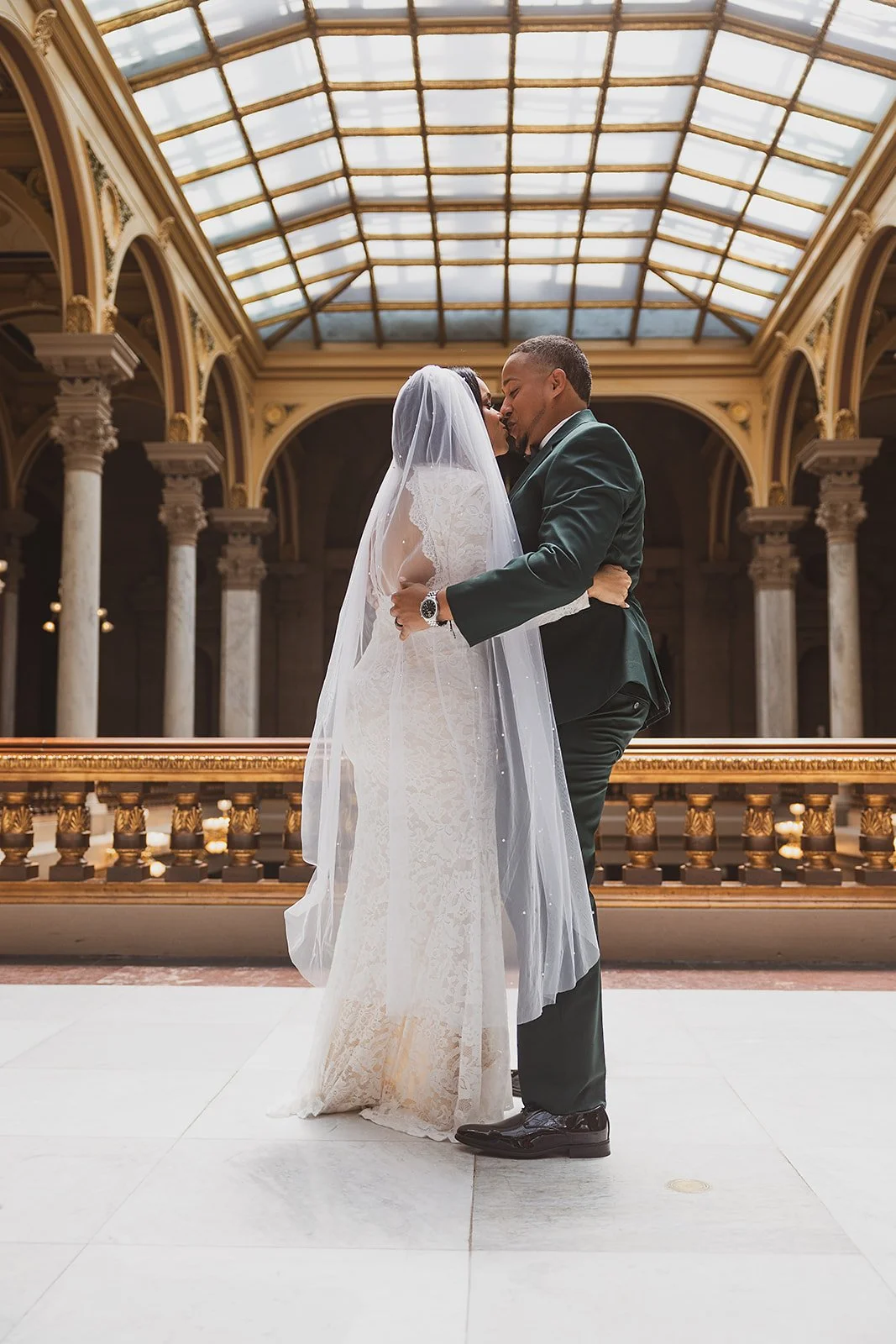
Love is a beautiful thing and it takes many forms. Elopements are a romantic gesture birthed out of a time of constraint. Our modern recognition of elopements is drastically different to what the phrase used to mean. There is an interesting history of change that has occurred in order to come to where we are. Exploring the history of elopements will be an interesting endeavor, so away we go!
Across all of my research, I have consistently seen differing results as to when the word ‘elope’ originated and its original definition, but the furthest back I have seen was dated back to the middle 14th century. According to Gena Philibert-Ortega (2014), the word elope dates all the way back to 1338, with the word’s original meaning referring to the act of a wife leaving her husband to run off with her lover. The phrase continues this meaning up until 1594, where eloping slightly changes with the newly penned story of William Shakesphere’s Romeo & Juliet (Greer, 2020). The birth of this story created a new perception surrounding eloping; no longer did it simply imply this harsh act but specifically a dedicated, forbidden love.
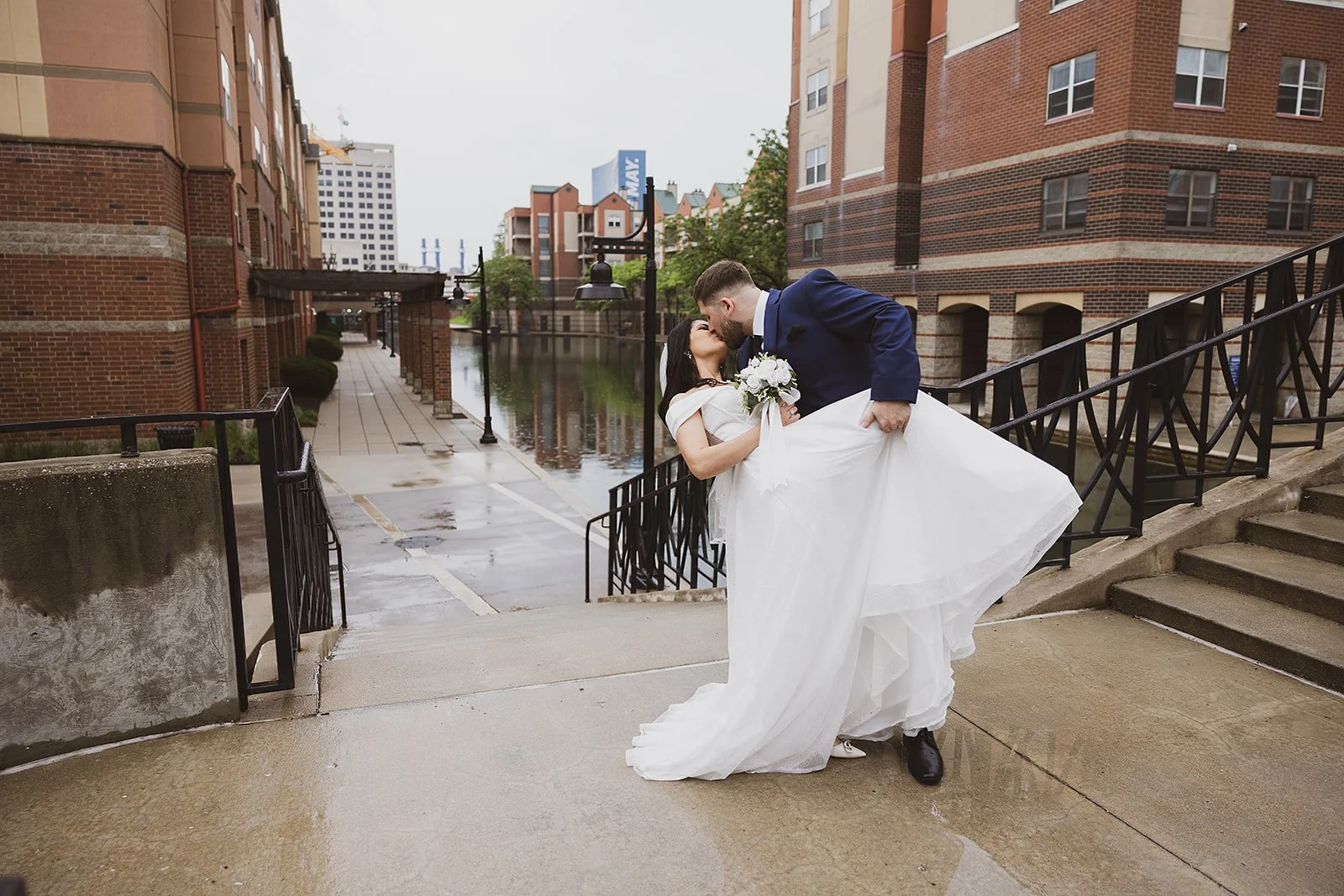
For nearly 200 years, the meaning remained the same until 1753, when the traditional understanding of elopement was reestablished as running off (Westfall, 2014). In 1753, Lord Hardwicke and the Parliament of England commissioned the Clandestine Marriages Act of 1753, requiring both participants in a marriage to be at least 21 years of age or require the permissions of their parents (Greer, 2020) (Westfall, 2014). However, many teens had a different idea in mind. In an act of rebellion, many couples crossed the border into Scotland, finding their way to a blacksmith’s shop in the village of Gretna Green (Greer, 2020) (Westfall, 2014). Oddly enough, you can still elope at Gretna Green, with the sound of an anvil to christen your marriage (Westfall, 2014).
In 1773, one of America’s most influential figures chose to elope. Betsy Ross, the woman who eventually created the original American flag, opted to elope with John Ross, due to their differing views of faiths, one being a Quaker, while the other being Angelican. While both Christian beliefs, the difference was large enough to cause a stir in their communities (Greer, 2020). In 1793, there was the publication of an infamous advertisement regarding elopement, known as the “Pay No Debts” advertisement. The advertisement was made by Michael Humbert regarding his wife Elizabeth, remarking that she had left him and that he would pay no debts that she had contracted (Philibert-Ortega, 2014).

In 1814, the young Mary Shelly, at the age of 16, decided to elope with her father’s friend, a 20-year old man named Percy Bysshe Shelley, running from England to France (Greer, 2020). Years later, Shelly would become the author of the legendary story of Frankenstein (Greer, 2020). By 1895, a music dealer known as A.H. Garfield eloped with a 15- year old girl named Bessie Moore, leaving behind a wife and three children (Philibert-Ortega, 2014). Because of this, he was charged with a penitentiary offense if caught. Elopements were not as regulated as marriages in these times, which led to predatory individuals taking full advantage of the naivety of youth. There were cases of individuals disappearing that many thought to be kidnappings, only to discover they had run off.
At only the start of the 20th century, elopements were still rare, only indulged in by few, including The Washington Post heir Edward Beale McLean in 1908. However, by 1930, the publication of The Bride Book of Etiquette described a scene that resembled what modern elopements became, essentially stating that the more private the event is, the more special it becomes (Greer, 2020). The following year, in 1931, in the midst of the Great Depression, the governor of Nevada installed a marriage license bureau in Las Vegas, which essentially gave birth to the Las Vegas elopement craze that still occurs today (Greer, 2020). More celebrities began to blaze the trail of eloping such as Hollywood legends Clark Gable and Carole Lombard in 1939 and famous rock musician Elvis Presley to his fiancee Priscilla Presley in 1967 (Greer, 2020).

During the 1970s, couples began to challenge the traditions of marriage and began pushing against what was socially acceptable, such as dress code (Greer, 2020). In 1981, Barbara and Leonard Barnes became the first couple to wed at the tropical resort of Sandals Montego Bay, with staff members attending as the maid of honor and the best man (Greer, 2020). In 1999, the Knot, famed wedding resource and leading experts, publicly began as an organization. However, the co-founder Carly Roney made a statement at the celebration party, remarking that “I’m all about the eloping thing” (Greer, 2020).
The next elopement craze began in 2008 with the Great Recession, with the cost of traditional weddings escalating exponentially. As a result, New York photographer Goran Veljic created elopement company NY1 Minute Weddings, which resulted in over 8000 marriages being conducted (Greer, 2020). In 2009, Gisele Bündchen and Tom Brady eloped at Saint Monica Catholic Church with only immediate family (Greer, 2020). In 2010, with the dawn of Instagram, the popularization of social media led to the world being more accessible. In turn, elopements became a much more public item than they were before. By 2020, with the pandemic and resulting quarantines, elopements became a highly popularized thing again, with couples getting married at half the cost of traditional weddings (Greer, 2020).

Which brings us to where we are today. I believe that I have done my best to cover the history of elopements, the drastic changes over the years, and the impact they have had on our society. A phrase that has been around for six centuries and has changed drastically in that time. One way or another, elopements are a beautiful way of commemorating a couple’s love in a private fashion. I hope that you have learned something and that you have a wonderful week.
Warmest regards,
Logan Clark
Works Cited
Greer, Kate. “A Brief History of Eloping, 2020's Biggest Wedding Trend.” Art of Eloping, 29 July 2020, https://artofeloping.com/a-brief-history-of-eloping-2020s-biggest-wedding-trend/. Accessed 5 August 2024.
Philibert-Ortega, Gena. “Researching the Not-So-Romantic History of Eloping.” GenealogyBank Blog, 21 February 2014, https://blog.genealogybank.com/researching-the-not-so-romantic-history-of-eloping.html. Accessed 5 August 2024.
Westfall, Dave. “The History of Elopement.” Elopement Packages, 23 March 2014, https://wheretoelope.com/the-history-of-elopement/. Accessed 5 August 2024.