
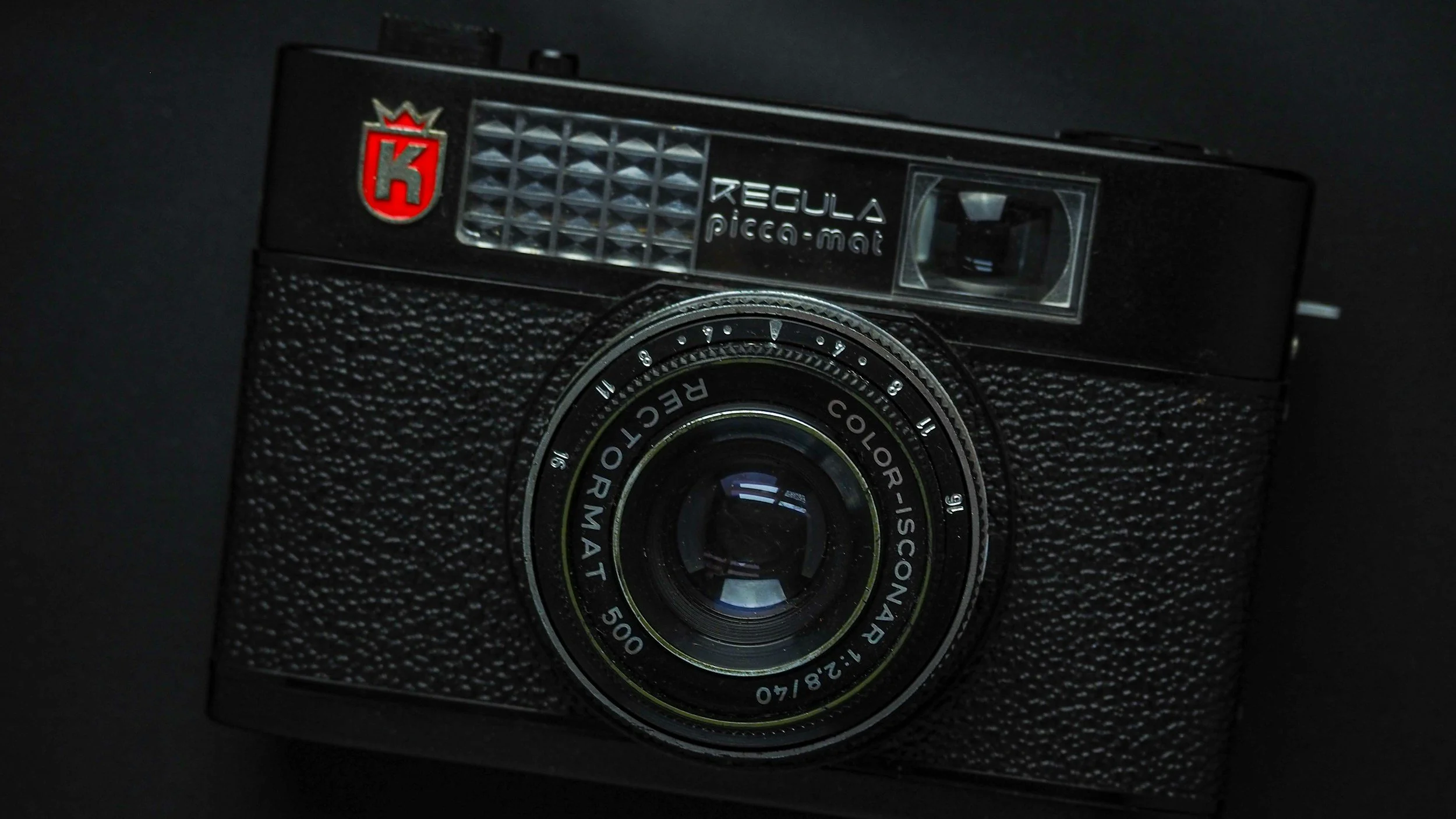
Throughout the course of this site, I’ve done a pretty elaborate deep dive into the history of photography, from the pioneers to wedding and elopement photography. The history of photography is a wide array of events that spans literal centuries of time. Instead of covering a specific pioneer this week, I will be covering the progressive growth of photography from the 19th Century to our modern day.
Photography’s story dawned from the work of Johann Heinrich Schulze in 1717, as it is understood. Schulze produced several experiments by attempting to replicate an experiment of Christian Adolf Balduin (Litchfield, 1903). However, the variable of an open window changed the experiment fundamentally, creating an image. Schulze, however, failed to encapsulate the image permanently and did not pursue the experiments to their end goal. Thomas Wedgwood and others would continue to develop these processes, creating images that were still but impermanent (Litchfield, 1903).
Compiling the research of scientists of the past, innovator Nicéphore Niépce brought his own experimentation to bear, eventually concocting the proper mixture of the ingredients that Schulze had started in 1826 or 1827. However, Niépce managed to do what Schulze could not, in creating the first permanent still image (Habert, 2020). Niépce, in response to his efforts, began to develop a permanent device to capture these permanent images. Louis Daguerre partnered with Niépce in 1829 to develop a device to capture imagery. Unfortunately, in 1833, Niépce died of a stroke, leaving Daguerre to develop the device alone. Niépce’s son, Isidore, came to his father’s former business partner and proposed that he handle the business end of the product (House Museum, 2024). With the premiere of the Daguerreotype, photography began as we understand the art.

Conversely, Henry Fox Talbot would publish research that he had developed, eventually leading to the patent of the calotype. The calotype and the Daguerreotype competed for the limelight for about two decades, until the development of the Ambrotype in the 1850s. Frederick Scott Archer developed the Ambrotype by the use of the collodion process, which combined the fine detail of the daguerreotype with the ability to print multiple paper copies like the calotype (PBS, 2024). In 1888, the creation of the Kodak camera was born (Clive, 2014). George Eastman began his work in 1880, patenting a process describing “a method and apparatus for coating plates for use in photography” (PBS, 2024). Around that time, he set up a shop that implemented dry-plate production that eventually developed into the Roll-Holder camera, which we now know as the Kodak camera (PBS, 2024).
Kodak developed the industry as we understand it today, becoming the leader throughout the industry for around a century until the development of the digital camera. Through the 1900s, there were ten revolutionary cameras that were developed (PetaPixel, 2024). At the end of the 1990s and beginning of the 2000s, technology advanced with the invention of digital photography. The innovation of digital photography advanced the photography industry tenfold, allowing for the entire process of photography to be reduced down to a simple process that anyone can handle. Potentially the most revolutionary invention of photography was the development of the iPhone, which implemented access to the technology for the masses.
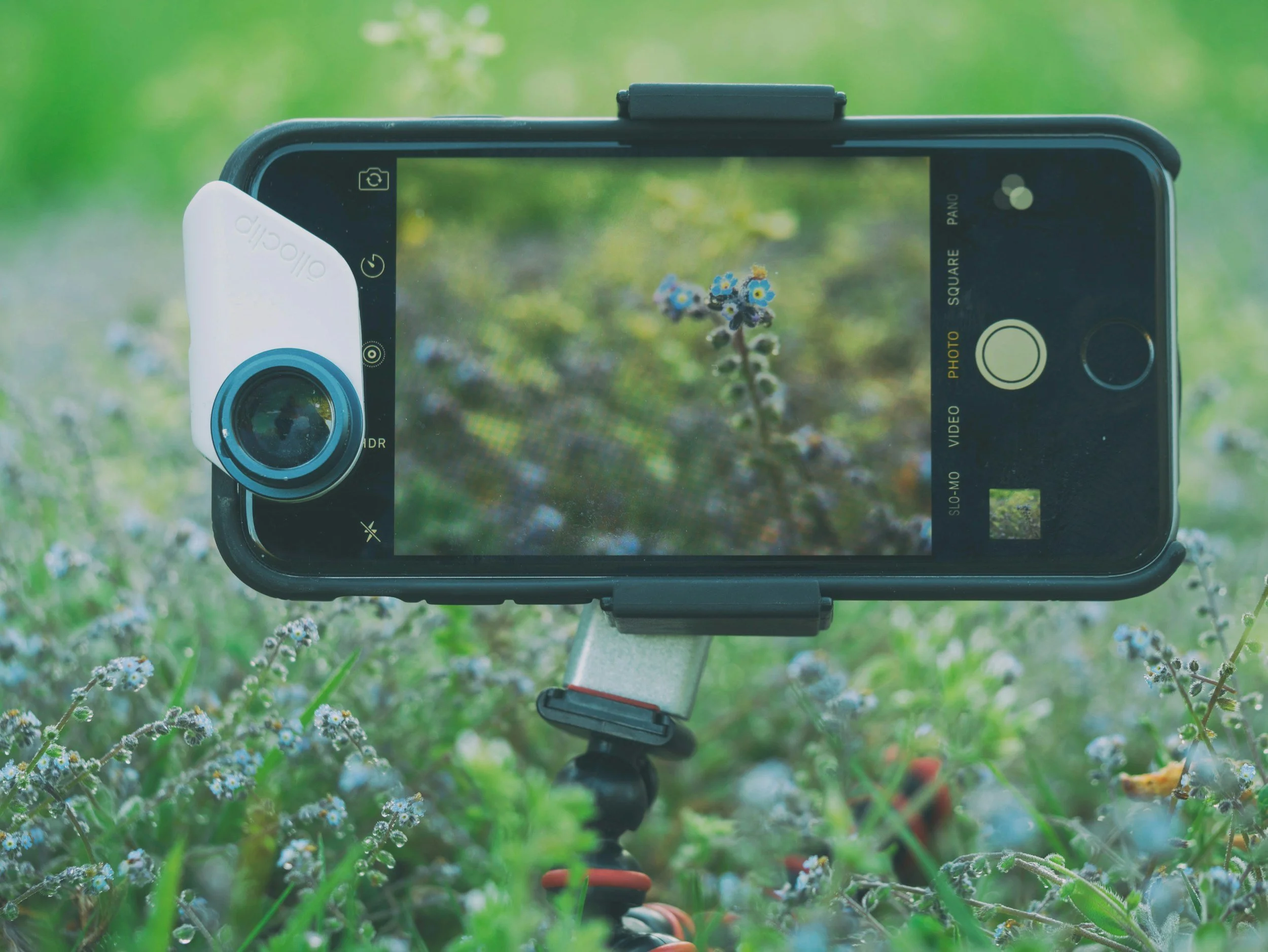
Photography has developed so much throughout the last two hundred years with such a rich history that has impacted the world for the better. The growth has been exponential, especially since the 20th century. Throughout history, there have been numerous pioneers that deserve recognition as do the individual innovations. I hope that you have learned something and that you have an excellent week!
All the best,
Logan Clark
Works Cited
“Cameras That Changed Photography Forever.” PetaPixel, 6 February 2024, https://petapixel.com/2023/09/30/cameras-that-changed-photography-forever/. Accessed 23 September 2024.
Habert, Judith. “Joseph Nicephor Niepce: The First Photographer.” ThoughtCo, 29 January 2020, https://www.thoughtco.com/joseph-niepce-the-first-photographer-2688371. Accessed 23 September 2024.
“History of Photography | American Experience | Official Site.” PBS, https://www.pbs.org/wgbh/americanexperience/features/eastman-history-photography/. Accessed 23 September 2024.
“Isidore Niépce and Daguerre.” Nicéphore Niépce's House Museum, https://photo-museum.org/isidore-niepce-daguerre/. Accessed 23 September 2024.
Litchfield, Richard. Thomas Wedgwood: The First Photographer. London, Duckworth and Co., 1903.
Thompson, Clive. “The Invention of the “Snapshot” Changed the Way We Viewed the World.” Smithsonian Magazine, September 2014, https://www.smithsonianmag.com/innovation/invention-snapshot-changed-way-we-viewed-world-180952435/. Accessed 23 September 2024.