
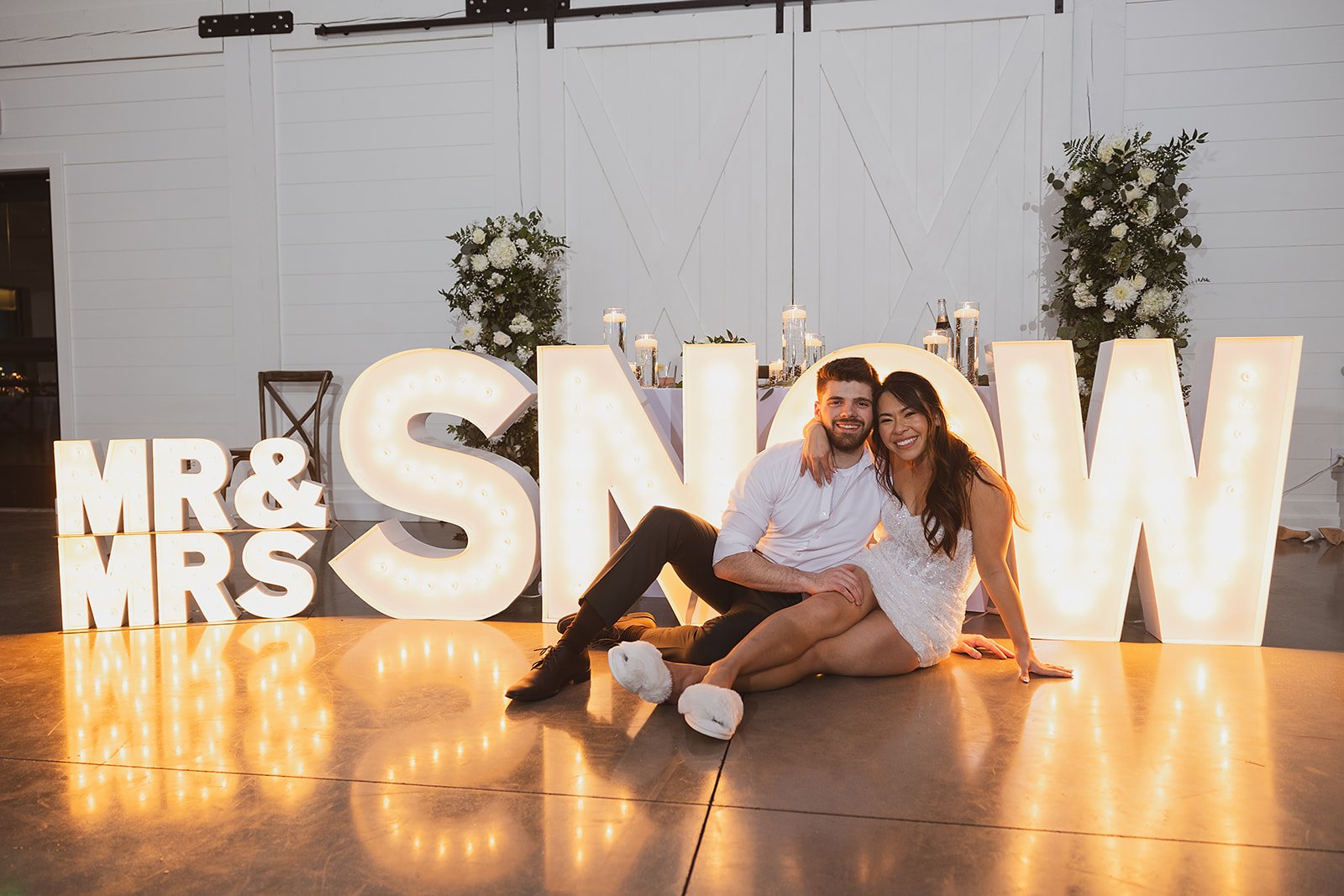
In the realm of wedding photography, we have a precise understanding of what that looks like in the current day. However, how much has the art of wedding photography truly changed throughout the years? Has it always been the way we imagine it? Or has it evolved with the times? As with most art forms, there are attributes that are removed, added, or develop into something else entirely. With that in mind, let us move into some of the history of wedding photography.
Capturing the story
While doing research for a swathe of topics to put on the website, I discovered the Master’s Guide to Wedding Photography, written by Marcus Bell (2007). In his book, he discusses his philosophy as a photographer since 1997, which netted him 14 awards in a decade’s time.The introduction of the book highlights the title of this article: “how wedding photography has changed.” He points out the biggest change in the industry he had seen was a shot known as La Stricte Intimite, photographed by Robert Doisneu in 1945. Doisneu, however, was not a wedding photographer.
Doisneu was a French photographer who pioneered the art of photojournalism. His journey began in the 1930s, selling his first photo-story in 1932 to Excelsior Magazine. By 1939, he captured his first professional street photographs. The following year, he was drafted to serve in the French military during World War II, serving as both a soldier and a photographer. In the service, he used many of the skills he had learned during his career to assist in forging documents for the French Resistance (Wilkins, 2023). Upon returning from the war, many of his photos were utilized in magazines such as Life and Vogue. In 1945, is when he captured the image that Bell believes revolutionized the art of wedding photography, an image of a newly married couple, standing outside of a cafe, with another passerby strolling down the street. By 1950, he captured another revolutionary shot, known as Le Baiser de l'hôtel de ville, which translated means The Kiss, which shows a newly married couple celebrating their marriage with a kiss. Today, we consider this as a contemporary style of wedding photography, all stemming from a documentary form of photography.

The Use of Color
As I have covered previously in the article “How Wedding Photography Transcends Time”, the use of color in photography, or at least the technology, has existed since the beginning of the 20th century. However, upon its development, it was initially deemed to be unreliable. It is believed that in 1890, the first processes of color photography were developed by utilizing Scottish physicist James Clerk Maxwell’s theory about mixing red, blue, and green lights in order to capture the images as they were intended to be seen (Spencer, 2020). While it was slowly developed and even used throughout the early 1900s, the technology was considered unreliable for mass consumption. Due to World War I and World War II, technological development was put on hold for anything that wasn’t directly related to warfare.
In the 1930s, the use of color photography became available for commercial use, specifically in Britain (Spencer, 2020). However, once again, with World War II, the process of allowing the masses to use color photography was delayed. By the 1950s, the technology of color photography became a readily available commodity (iQ, 2024). Now, to go back to Bell’s work, he remarks that the best way to utilize color in photography is understanding the following three attributes: color balance, color saturation, and color tones (2007). Needless to say, the art of color photography has persevered through more delays and hardships than many other innovations in technology.
Implementation of Digital Photography
While I could not find a great deal of coverage for the topic, I believe that digital photography had to revolutionize the wedding photography industry. How could it not have had an impact? Imagine the days of photography where you had to stand still for hours on end to capture the perfect image. Now, with digital photography, you can simply delete any mistakes or poor quality images. Bad lighting, blurs, a quick glance away from the lens, and so on and so forth. Not to mention, digital cameras are far more dynamic and easy to operate than a film camera, According to David Stark of A Personal Wedding (2023), because of their versatility, digital cameras may be able to record special moments that film cameras might have missed. Not to mention, their access to higher resolutions (Stark, 2023).
So where did this revolutionary innovation come from? While generally credited to Kodak engineer Steven Sasson in 1975, the origins of digital photography begin in the 1960s, with NASA engineer Eugene Lally, who used a mosaic photosensor to capture digital imagery (Capture, 2023). As he continued to develop the idea, by 1970, the patent for “filmless cameras” was granted to Texas Instruments employee Willis Adcock (Capture, 2023). By 1975, Sasson had developed the first functional camera that we would regard as a digital camera for Kodak. According to Capture (2023), his prototype included a movie camera lens, Motorola parts, 16 batteries, and charge-coupled device (CCD) sensors originally developed by Fairchild Semiconductor, RCA, and Texas Instruments. From that point on in history, the development of digital cameras has continued to overtake the industry and completely eliminate the use of film cameras from the landscape. With that in mind, wedding photography has only become more dynamic and nearly limitless in the amount of photos it can capture in a single session.
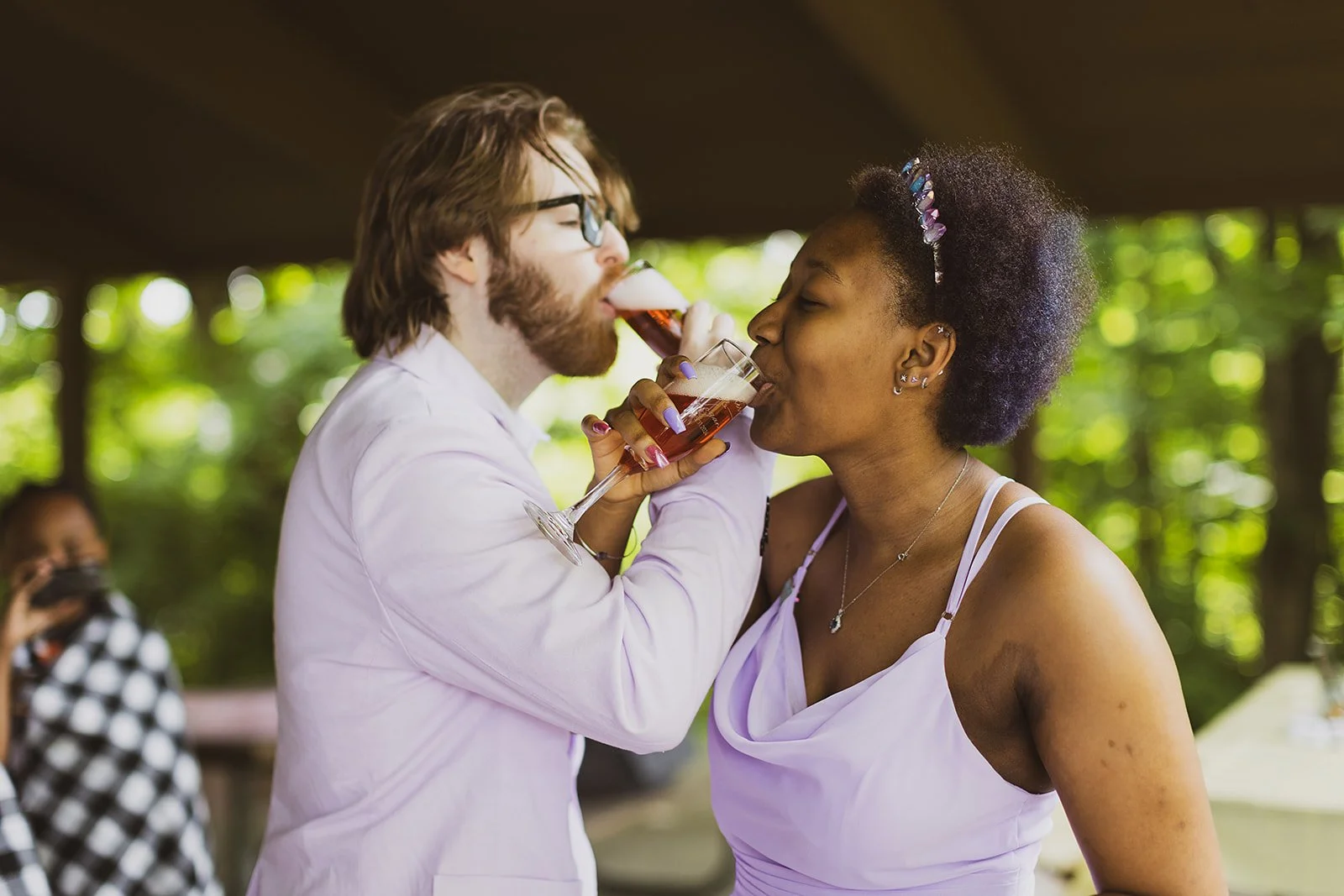
The art of wedding photography has evolved exponentially in only a relatively short period of time. In under 200 years, we have created photography, slowly developed it, and eventually divided it into numerous industries all to itself. I know that I had not necessarily covered wedding photography as a whole in this article, I hope that I have perhaps highlighted something interesting to consider for how much the industry has changed. With that in mind, I hope to have added something to your day and that you have an excellent week.
All the best,
Logan Clark
Works Cited
Bell, Marcus. Master's Guide to Wedding Photography: Capturing Unforgettable Moments and Lasting Impressions. Amherst Media, 2007. Accessed 24 June 2024.
“The History of the First Digital Camera from Concept to 2024 and Beyon.” Capture, 11 May 2023, https://www.capture.com/blogs/photo/first-digital-camera. Accessed 25 June 2024.
“The History of wedding photography.” iQphoto, https://www.iqphoto.com/history. Accessed 25 June 2024.
Spencer, Douglas A. “A short history of colour photography.” National Science and Media Museum, 7 July 2020, https://www.scienceandmediamuseum.org.uk/objects-and-stories/history-colour-photography. Accessed 25 June 2024.
Stark, David. “How Are Digital Cameras Changing Wedding Photography.” A Personal Wedding, 9 May 2023, https://apersonalwedding.com/how-digital-cameras-are-transforming-wedding-photography/. Accessed 25 June 2024.
Wilkins, Charlotte. “Robert Doisneau, the wartime years: Paris show hails photographer's 'spirit of resistance.'” France 24, 15 October 2023, https://www.france24.com/en/france/20231015-robert-doisneau-the-wartime-years-paris-show-hails-photographer-s-spirit-of-resistance. Accessed 25 June 2024.